


Deep house and techno get thrown into the same playlists, the same festivals, and sometimes the same late-night rabbit holes — which is exactly why the debate never ends. But deep house music vs techno isn’t just a nerdy genre argument. If you’re a listener, knowing the difference helps you find the nights, radio shows, mixes, and artists that actually match the mood you’re chasing.
Key Takeaways
| Question | Short Answer |
|---|---|
| What’s the main difference in deep house music vs techno? | Deep house is groove + warmth + chords (often soulful/jazzy). Techno is repetition + propulsion + sound design (often darker/industrial). |
| Which one is “better”? | Neither. Deep house is great for connection and flow; techno is great for intensity and trance. Your mood decides. |
| What if I like both? | You’re normal. A lot of modern listening lives in the middle (melodic / deep-leaning / driving). |
The 10-Second Vibe Test (No DJ Knowledge Needed)
If you press play and instantly feel like you’re in a warm conversation with the music — bass groove, soft chords, maybe a vocal snippet — you’re probably in deep house.
If it feels like the music is a machine that keeps moving forward — steady kick, hypnotic loop, evolving textures — that’s usually techno.
- Deep house feels like: late-night glow, soul in the drums, a “human” swing.
- Techno feels like: tunnel vision, forward motion, tension that keeps tightening.
Groove vs Drive: How It Hits Your Body
This is the easiest difference to feel. Deep house tends to roll. The bassline often moves like it’s dancing with the drums. Techno tends to push. The kick feels like it’s pulling you forward, and the track builds pressure through repetition and subtle changes.
| Element | Deep House | Techno |
|---|---|---|
| Rhythm feel | Groovy, sometimes swung, “pocket” | Straight, relentless, “engine-like” |
| Harmony | Chords matter (Rhodes/Juno-style warmth) | Often minimal (stabs/drones/texture) |
| What hooks you | Groove + chord mood + vocal hints | Loop hypnosis + sound design + pressure |
Origins in One Minute (Why the DNA Is Different)
Deep house grew out of Chicago’s house culture — taking the 4/4 template and making it warmer, deeper, more emotional through harmony and groove.
Techno was forged in Detroit with a more futuristic, industrial mindset — less about chords, more about rhythm, machines, and forward motion.
Modern Artists to Explore (By Vibe)
Deep House (warm, soulful, groove-first)
- Dam Swindle — bright groove, classy chords, modern deep energy.
- Moodymann — Detroit soul with deep, raw emotion (house that feels alive).
- Session Victim — dusty chords + heartfelt swing, perfect “heads nodding” deep house.
- Laurence Guy — warm, melodic deep cuts that feel nostalgic without being cheesy.
- DJ Seinfeld — emotional deep/lo-fi house edges with big feeling.
Techno (hypnotic, driving, sound-design heavy)
- Charlotte de Witte — peak-time pressure, clean power, big-room hypnosis.
- Amelie Lens — relentless momentum with sharp, modern punch.
- Adam Beyer — Drumcode-style propulsion: tough, direct, effective.
- Enrico Sangiuliano — heavy, detailed production with cinematic tension.
- Space 92 — driving, high-energy techno that still feels melodic in the riffs.
The “In-Between” Zone (where lots of listeners live)
- Anyma — melodic, cinematic, emotional… but still club-ready.
- Tale Of Us — hypnotic + melodic crossover that helped define the modern middle ground.
- Ben Böhmer — deep melodic warmth that can bridge into techno-leaning sets.
- ARTBAT — big melodic momentum: festival-ready, dramatic, driving.
Listening Lab: Hear the Difference in 2 Minutes
The fastest way to understand deep house music vs techno is to A/B two tracks back-to-back. Start here:
Deep House example: Dam Swindle — “The Wrap Around”
What to listen for: the bass groove “walks,” the chords feel warm, and the track invites you in rather than pushing you down the tunnel.
Deep House example #2: Moodymann — “Shades of Jae”
What to listen for: human feel, soulful mood, and that “this track has history in it” emotion.
Techno example: Charlotte de Witte — “Doppler”
What to listen for: the loop locks you in, tiny changes build pressure, and the energy is designed for forward motion.
Bridge track (melodic middle ground): Anyma & Chris Avantgarde — “Eternity”
Why it works as a bridge: emotional melody + clean drive — it can lead you from deep moods into techno pressure without a harsh jump.
Starter “Deep House Music vs Techno” Playlist (10 Tracks)
If you want one simple listening session that teaches your ears fast, play these in order (they alternate deep house → techno):
- Dam Swindle — The Wrap Around (Deep House)
- Charlotte de Witte — Doppler (Techno)
- Moodymann — Shades of Jae (Deep House)
- Adam Beyer & Bart Skils — Your Mind (Techno)
- Session Victim — Good Intentions (LP Mix) (Deep House)
- Amelie Lens — Higher (Techno)
- Laurence Guy — Saw You for the First Time (Deep House)
- Space 92 — Atlas (Techno)
- DJ Seinfeld — U (Deep House)
- Enrico Sangiuliano — Symbiosis (Techno)
Where These Sounds Usually “Live” (As a Listener)
This isn’t a strict rule — scenes overlap — but it’s a useful compass:
- Deep house often shines on: warm-up sets, terraces/sunrise moods, and nights built around groove + connection.
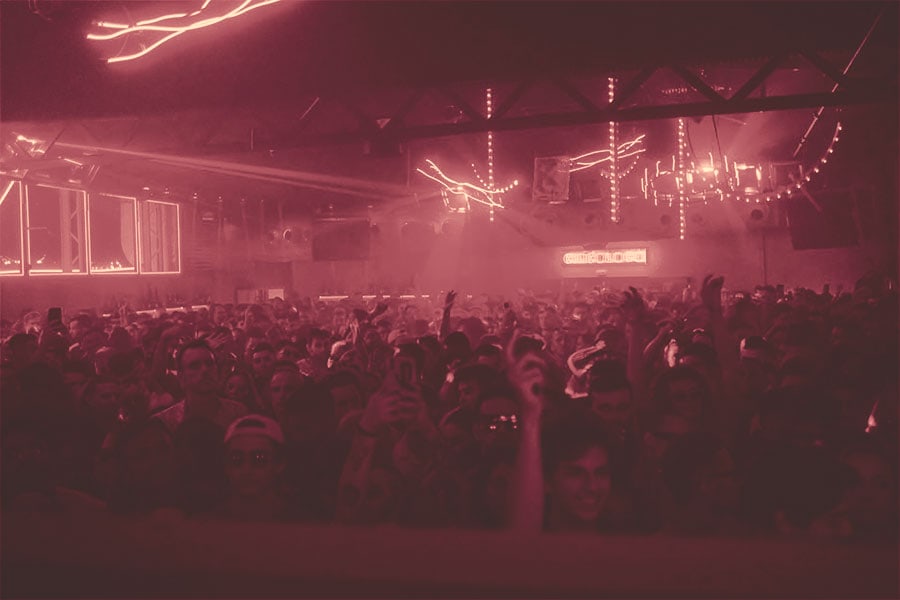
- Techno often hits hardest on: dark rooms, late slots, warehouses, minimal lighting, and long hypnotic stretches.
- The middle ground thrives on: melodic headline moments, big emotional peaks, and modern “cinematic club” energy.
Mini-Quiz: Deep House or Techno?
Answer these quickly — your gut is usually right:
- If you removed the chords, would the track still be the same song? If yes → techno-leaning.
- Is the bassline “dancing” with the drums? If yes → deep house-leaning.
- Do tiny texture changes feel like the main event? If yes → techno-leaning.
- Does it feel like the music is smiling at you? If yes → deep house-leaning.
Conclusion
At the end of the night, deep house music vs techno is really about what you want the music to do to you. Deep house is the warm, human side of the floor — groove, emotion, soul. Techno is the focused, futuristic side — pressure, hypnosis, propulsion.
If you’re exploring, don’t overthink it: use the Listening Lab, try the 10-track playlist, and follow the artists that make you feel something. Your ears will learn the difference fast.