


House music is a big family tree. You’ll hear the same 4/4 song structure across everything below, but the vibe changes a lot:
some subgenres are warm and soulful, some are punchy and festival-sized, and some are hypnotic and minimal.
This glossary is for anyone who’s heard the labels and wants to confidently tell them apart.
- Start with the “Listen for” line in each genre.
- Play the example track (Spotify embed) and focus on drums / bass / chords.
- Remember: genre borders are fuzzy — think of these as reference points, not strict rules.
Jump to a genre
Deep House
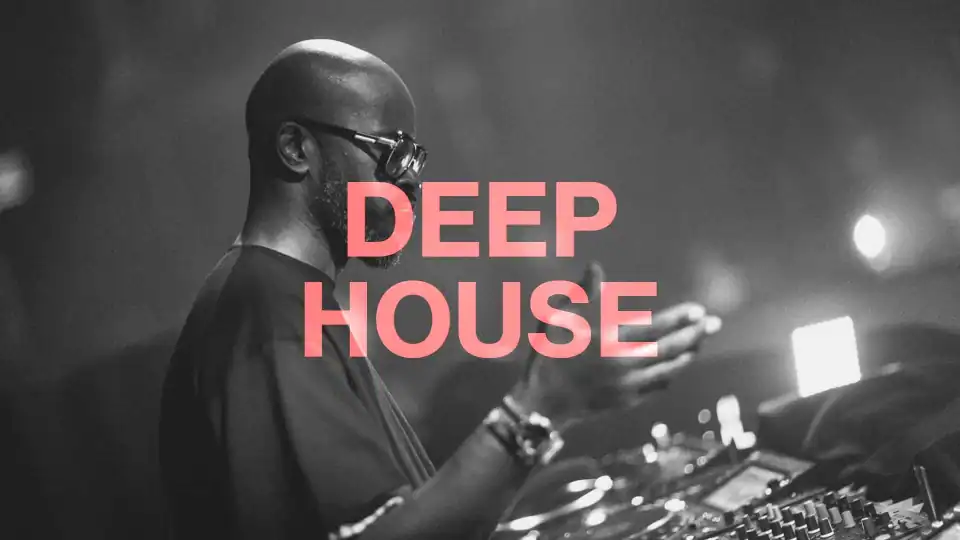
Where it started: Chicago (late 1980s), growing out of early house with more soul/jazz harmony.
Peak era: Late ’80s–mid ’90s (and constantly revived ever since).
Listen for: warm chord loops, “late-night” basslines, emotional/soulful samples, a groove that feels human.
Associated artists (then/now): Larry Heard (Mr. Fingers), Moodymann, Dam Swindle, Kerri Chandler.
Example track (Spotify)
Tech House
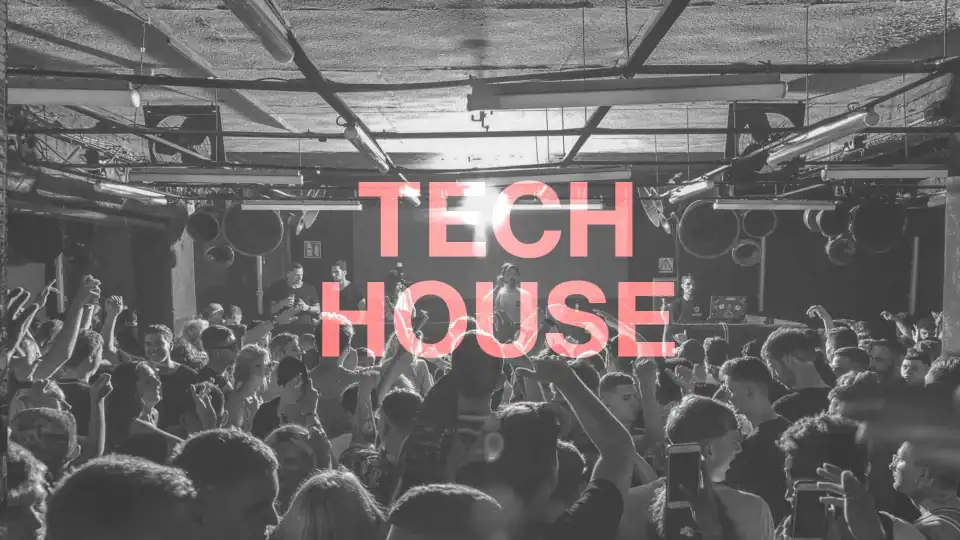
Where it started: UK & Europe (1990s), bridging house grooves with techno’s stripped, percussive focus.
Peak era: Mid 2010s–present (massive in clubs and festivals).
Listen for: chunky drums, rolling low-end, minimal vocals, “tools” that lock into a groove fast.
Associated artists: Green Velvet, Patrick Topping, Chris Lake, Michael Bibi, Fisher.
Example track (Spotify)
Progressive House
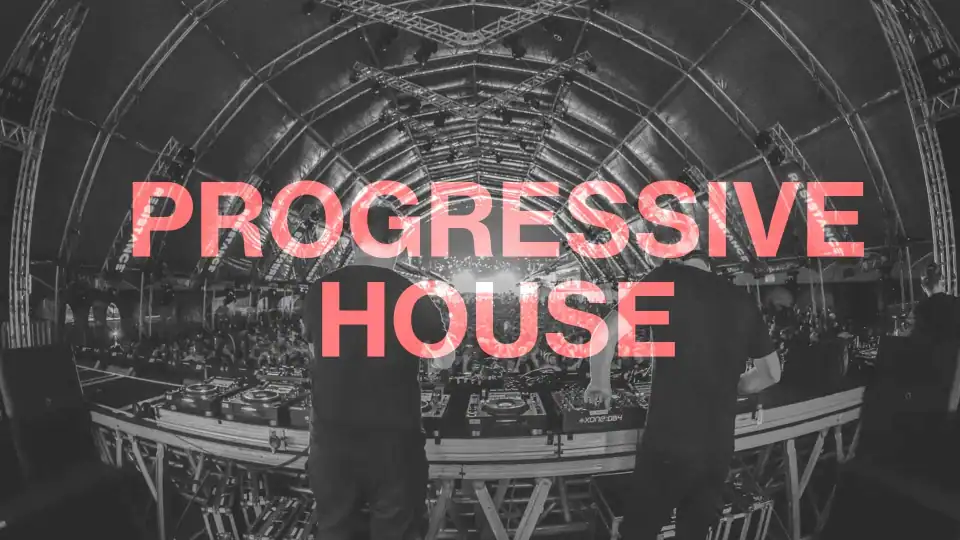
Where it started: UK (early ’90s) club scene; evolved into multiple “progressive” eras.
Peak era: Late ’90s–2000s (classic prog) and early 2010s (mainstream festival prog).
Listen for: long builds, evolving layers, emotional payoffs, a “journey” more than a single drop.
Associated artists: Sasha & John Digweed, Eric Prydz, deadmau5, John Summit (modern crossovers).
Example track (Spotify)
Melodic House
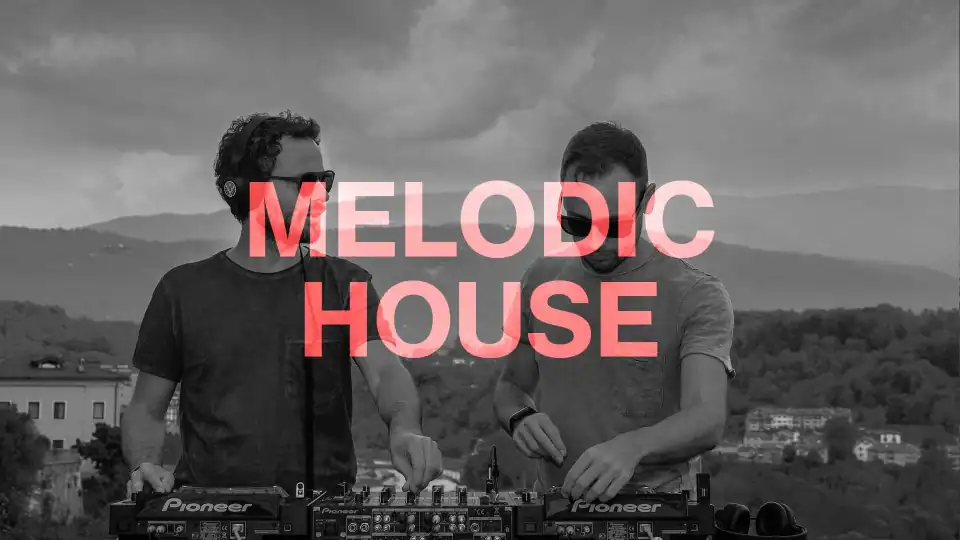
Where it started: A modern lane shaped by deep/progressive traditions (2010s), often tied to “melodic house & techno” scenes.
Peak era: Late 2010s–present.
Listen for: emotional synth leads, cinematic atmospheres, steady kick, “hands-in-the-air but still underground” energy.
Associated artists: Ben Böhmer, Lane 8, Yotto, ARTBAT (overlap territory).
Example track (Spotify)
Afro House
Where it started: Multiple roots (not one city): strong South African influence plus wider African and diaspora rhythms.
Peak era: 2010s–present (globally huge right now).
Listen for: polyrhythms, percussion-led grooves, chant-like vocals, warm bass, hypnotic repetition.
Associated artists: Caiiro, Black Coffee, Keinemusik-adjacent sounds (crossover), Shimza.
Example track (Spotify)
Classic House
Where it started: Chicago + NYC/garage influence (mid/late ’80s into ’90s).
Peak era: Late ’80s–mid ’90s (foundational era).
Listen for: iconic piano stabs, diva vocals, simple but infectious drum patterns, instant feel-good lift.
Associated artists: Frankie Knuckles, Robin S, CeCe Peniston, Crystal Waters.
Example track (Spotify)
Chicago House
Where it started: Chicago (early–mid ’80s), the blueprint of house music.
Peak era: Mid/late ’80s.
Listen for: raw drum machine energy, jacking rhythms, repetitive hooks, DIY urgency.
Associated artists: Marshall Jefferson, Frankie Knuckles, Farley “Jackmaster” Funk.
Example track (Spotify)
Soulful House
Where it started: US club scenes (’90s), drawing heavily from gospel, R&B, and garage/house traditions.
Peak era: ’90s–2000s (and still a huge lane today).
Listen for: big vocals, uplifting chords, “churchy” organ/piano moments, emotional releases.
Associated artists: Masters at Work, Barbara Tucker, Kerri Chandler, Kings Of Tomorrow.
Example track (Spotify)
French House
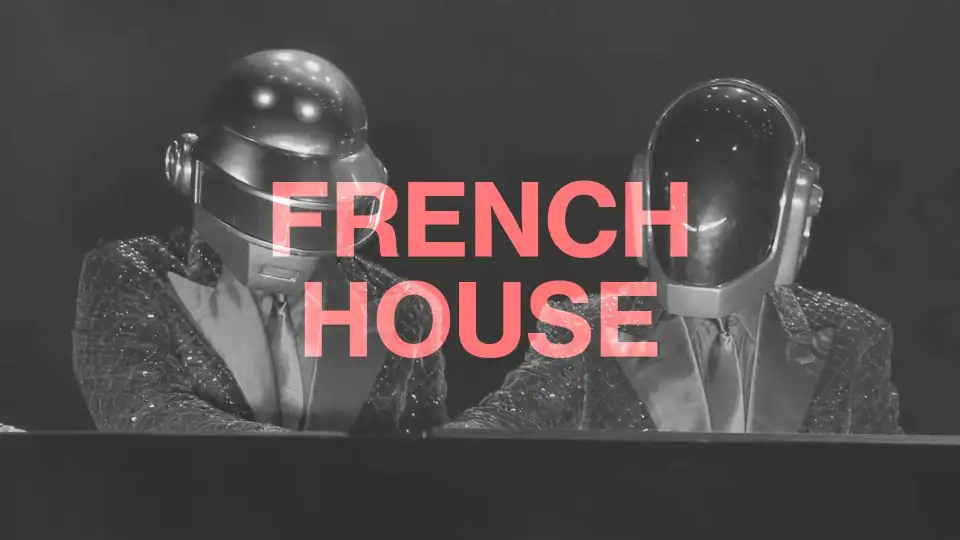
Where it started: France (mid/late ’90s), also called “filter house.”
Peak era: Late ’90s–early 2000s.
Listen for: disco samples, heavy filtering (sweeps), compressed “pumping” groove, shiny feel.
Associated artists: Daft Punk, Cassius, Stardust, Alan Braxe.
Example track (Spotify)
Funky House
Where it started: UK/Europe (late ’90s–2000s), leaning into disco/funk and big vocal hooks.
Peak era: 2000s.
Listen for: bright basslines, cheeky vocal loops, feel-good “party house” energy, lots of swing.
Associated artists: Freemasons, StoneBridge, Dave Spoon (era), modern disco-house crossovers.
Example track (Spotify)
Electro House
Where it started: Global club circuits (early 2000s), blending house structures with sharper, electro-edged synth design.
Peak era: Mid/late 2000s.
Listen for: aggressive synth leads, chunky distorted bass, big drops, punchy “in-your-face” mixdowns.
Associated artists: Benny Benassi, Justice (adjacent), Wolfgang Gartner (era), early Steve Aoki (era).
Example track (Spotify)
Big Room House
Where it started: Festival EDM era (early 2010s), built for huge crowds and dramatic drops.
Peak era: Early–mid 2010s.
Listen for: simple riffs, huge builds, massive kick-led drops, “anthem” structure.
Associated artists: Martin Garrix, Hardwell, Dimitri Vegas & Like Mike (era), W&W.
Example track (Spotify)
Tropical House
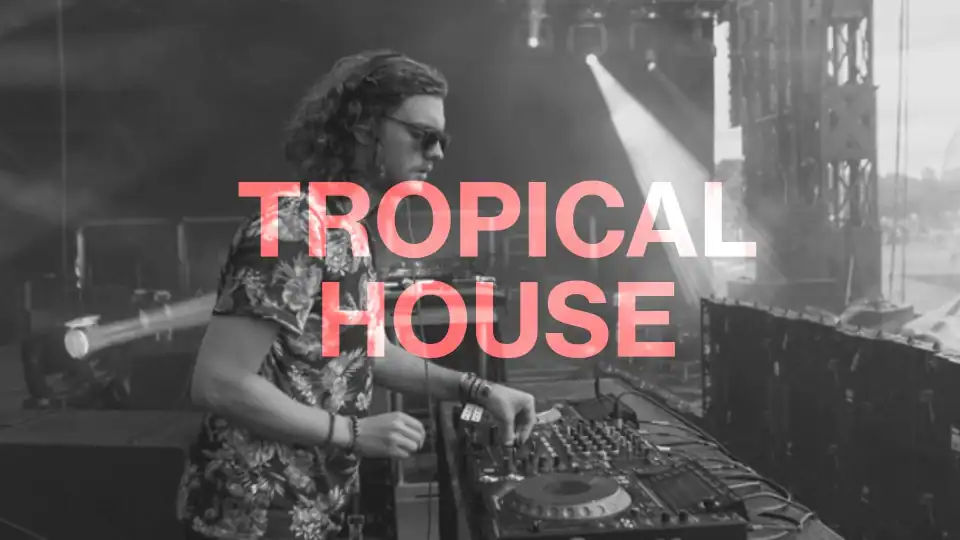
Where it started: 2010s pop-leaning EDM wave with breezy, beachy textures.
Peak era: Mid 2010s.
Listen for: light percussion, marimba/plucky leads, mellow drops, “summer playlist” mood.
Associated artists: Kygo, Matoma (era), Lost Frequencies (adjacent).
Example track (Spotify)
Acid House
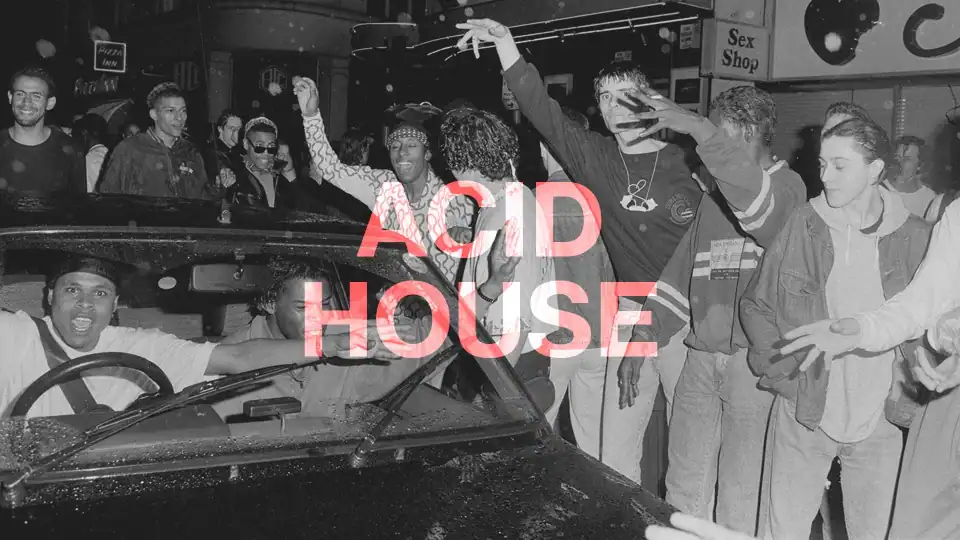
Where it started: Chicago (mid/late ’80s) — then exploded in the UK “Second Summer of Love.”
Peak era: Late ’80s–early ’90s.
Listen for: the squelchy TB-303 bassline, hypnotic loops, rave energy.
Associated artists: Phuture, DJ Pierre, Josh Wink (later), Hardfloor (later).
Example track (Spotify)
Jackin’ House
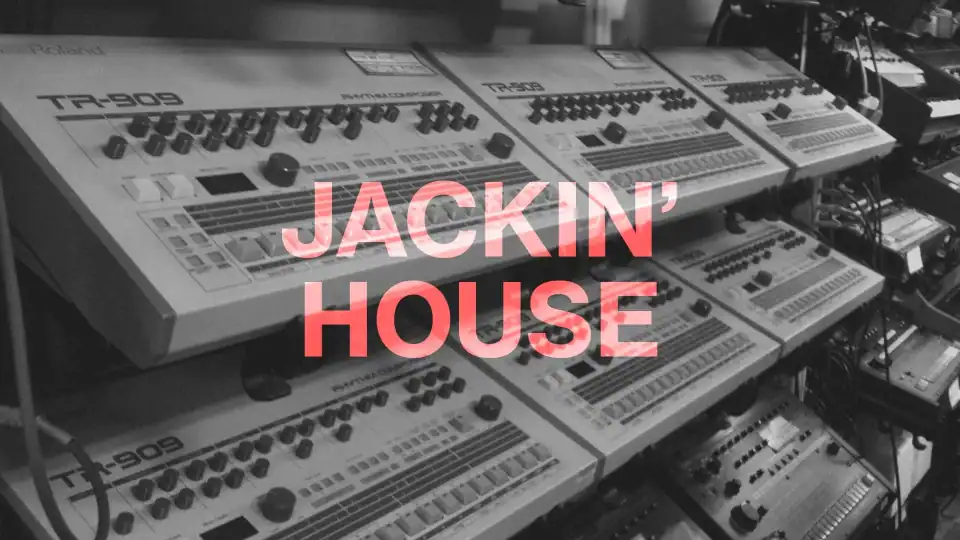
Where it started: Chicago-rooted sound (’90s onward), built around “jacking” grooves and tough drums.
Peak era: Late ’90s–2000s (and still strong in underground scenes).
Listen for: stomping rhythm, funky but raw swing, “work it” energy, rolling percussion.
Associated artists: DJ Sneak, Paul Johnson, Hatiras (adjacent), Chuck Daniels.
Example track (Spotify)
Minimal House
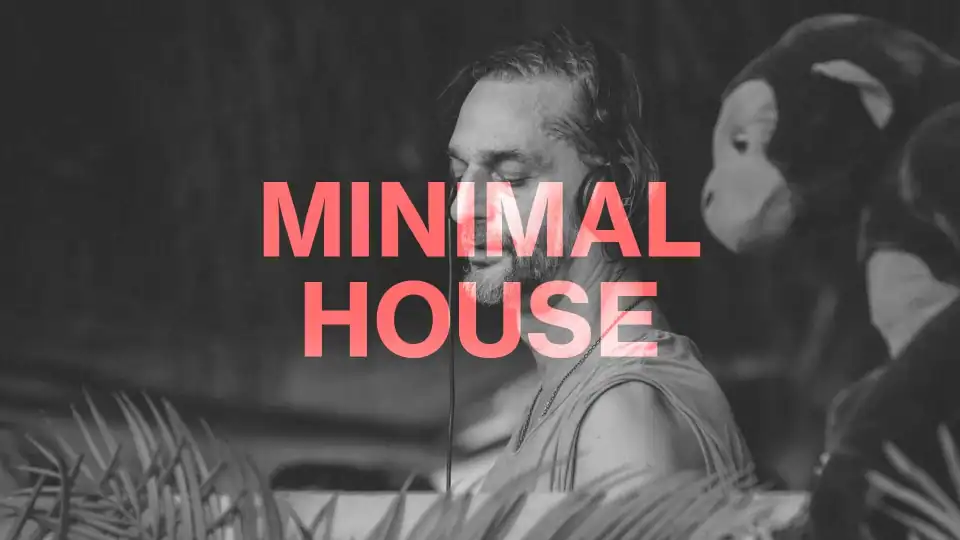
Where it started: Europe (late ’90s–2000s), overlapping with microhouse and minimal techno aesthetics.
Peak era: 2000s.
Listen for: lots of space, tiny changes, crisp clicks, subtle bass movement—hypnosis through restraint.
Associated artists: Isolée, Ricardo Villalobos (adjacent lane), early Kompakt/Perlon worlds.
Example track (Spotify)
Latin House
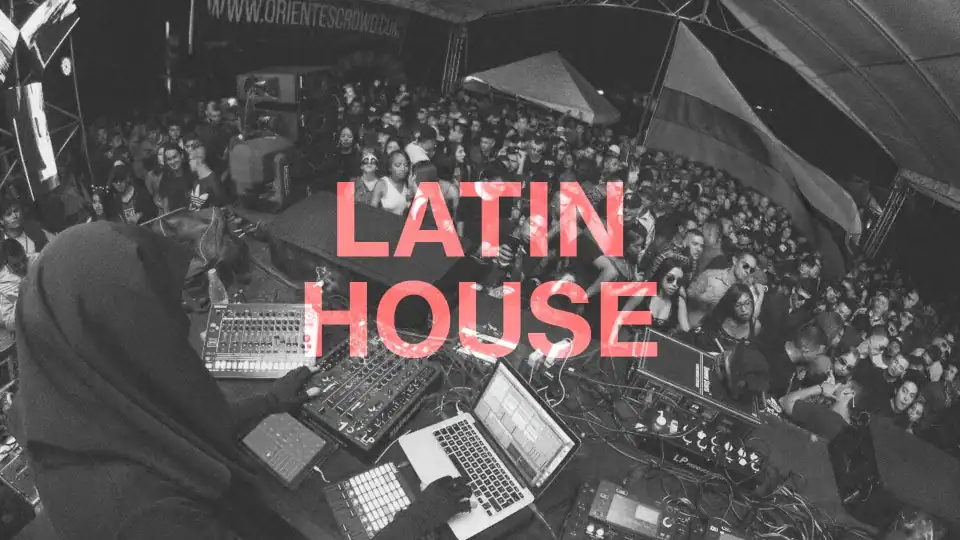
Where it started: US club scenes (especially NYC/Miami influence), blending house with Latin percussion and vocal traditions.
Peak era: Late ’80s–’90s (with constant club revival cycles).
Listen for: congas/timbales, salsa-style rhythm patterns, vocal call-and-response energy.
Associated artists: Armand Van Helden (some crossover), Masters at Work (Latin-leaning cuts), Oscar G (later).
Example track (Spotify)
Tribal House
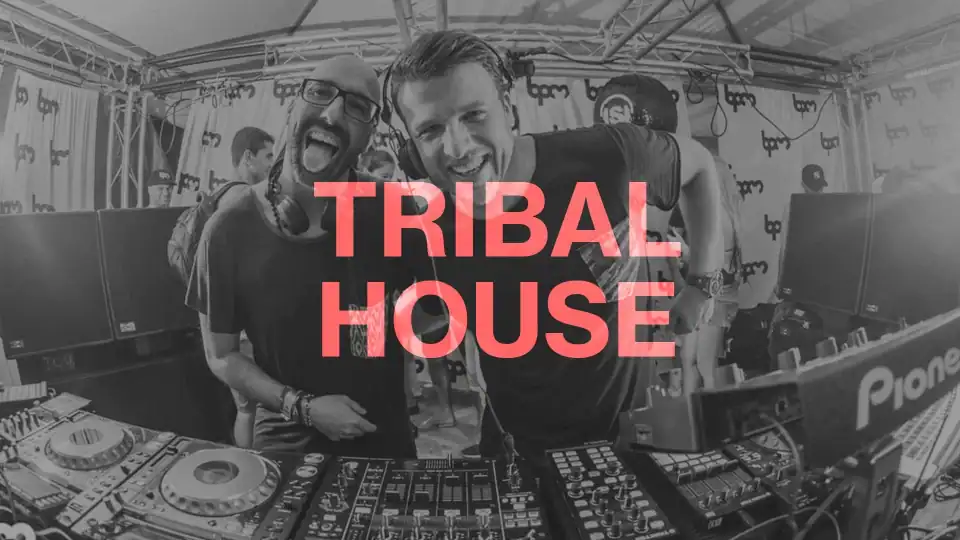
Where it started: US club scenes (1990s), especially NYC, emphasizing percussion and “drums-first” arrangements.
Peak era: Late ’90s–2000s.
Listen for: layered drums, rolling toms, ceremonial energy, fewer “songs,” more “rhythmic spells.”
Associated artists: Danny Tenaglia, Tribal mixes of classic house cuts, later tech-house crossover drums.
Example track (Spotify)
Balearic House

Where it started: Balearic Islands club culture (especially Ibiza) — more of a “vibe” than a strict production template.
Peak era: Late ’80s–early ’90s (and a permanent sunset-afterglow reference ever since).
Listen for: dreamy pads, gentle groove, emotional warmth, music that feels like warm air at 2am.
Associated artists: Sueño Latino (era), José Padilla (DJ/cultural reference), Balearic-adjacent compilations.
Example track (Spotify)
Italo House
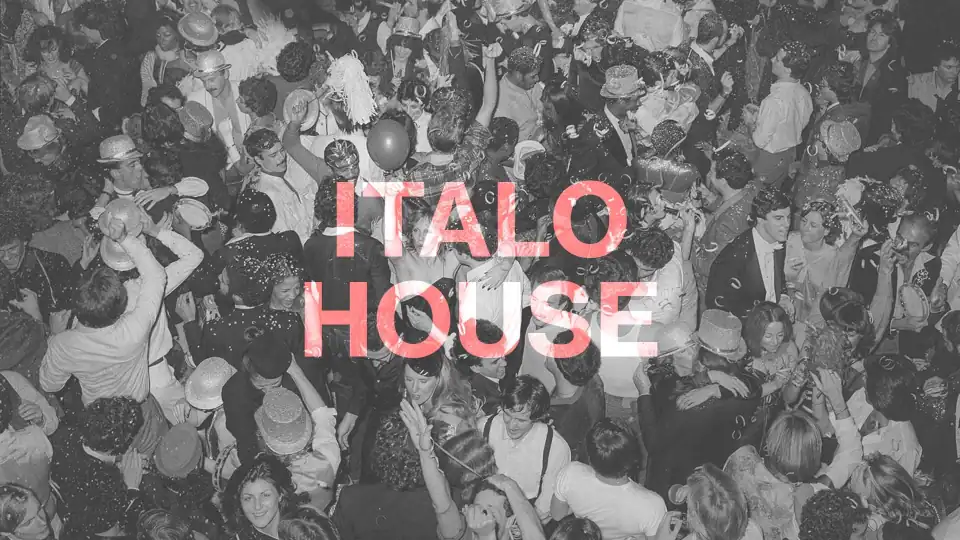
Where it started: Italy/Europe (late ’80s–early ’90s), often piano-driven and bright.
Peak era: 1989–1993-ish.
Listen for: big piano riffs, uplifting vocals, glossy Euro-club energy.
Associated artists: Black Box, 49ers (era), later revivalists sampling that era’s feel.
Example track (Spotify)
Ghetto House
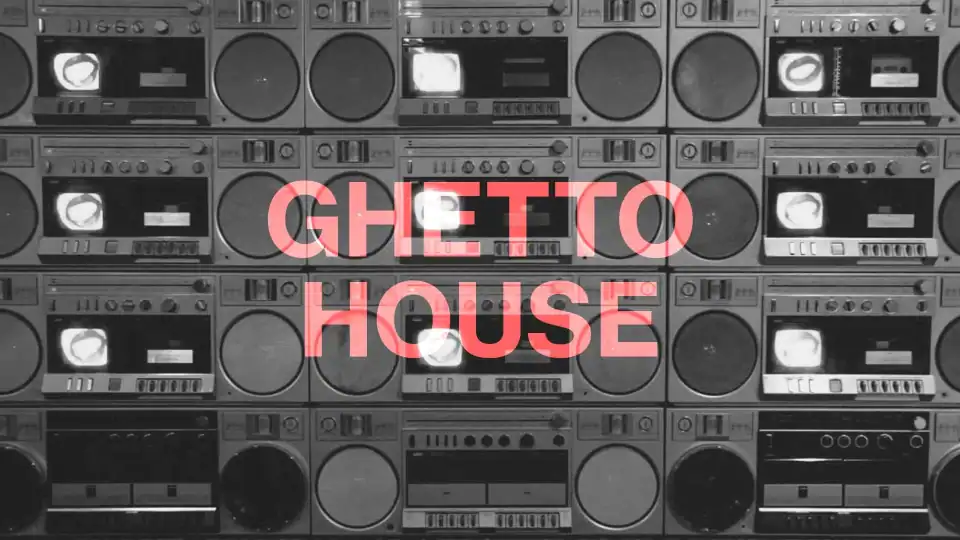
Where it started: Chicago (early ’90s), raw, fast, and built for high-energy dance floors.
Peak era: ’90s–2000s (and foundational for juke/footwork scenes).
Listen for: speed, booming low-end, chant-like hooks, minimal melody—pure party pressure.
Associated artists: DJ Funk, DJ Deeon, DJ Assault (adjacent scenes).
Example track (Spotify)
Ambient House
Where it started: UK (late ’80s–early ’90s), linked to chill-out rooms and post-rave comedown spaces.
Peak era: Early ’90s.
Listen for: soft drums (or barely any), wide pads, dreamy samples, “floating” rather than driving.
Associated artists: The Orb, KLF (ambient side), early Aphex-adjacent chill artifacts.
Example track (Spotify)
Fidget House
Where it started: Mid/late 2000s blog/club era (UK/Europe), a twitchy, bassy cousin of electro house.
Peak era: 2007–2010-ish.
Listen for: glitchy synths, wonky bass, abrupt edits, “hyper” energy, lots of movement in the sound design.
Associated artists: Crookers, Switch, early A-Trak-adjacent bloghouse crossovers.
Example track (Spotify)
Closing note
If this glossary did its job, you should now be able to hear the difference between styles instead of just recognising the names. The fastest way to make it “stick” is simple: pick any two subgenres above, play the example tracks back-to-back, and listen for what changes most — chords, drums, bass, or vocals.
Want a starting path? Try Classic House → Chicago House → Deep House → Tech House → Melodic House. That’s the cleanest route from the roots to the modern club sound.
